Eyes are often considered the “window into the soul,” but in eye care they are more commonly used as a window into the patient’s overall health. Eyes can change in many ways as you get older, but some of these changes can indicate other health issues you otherwise might not notice.
Today, we’re going to unpack this little white outline of your cornea and look at what this condition is, how common it is, and what it could mean to your overall health.
What is Corneal Arcus?
Corneal arcus, otherwise known as arcus senilis for seniors or arcus juvenilis for those under 40, is typically an age-related condition that creates a deposit of cholesterol, phospholipids, and triglycerides in an “arc” on either the top or bottom side of the iris, inside the cornea. Over time, the arc can grow to encircle the entire iris, creating a white, gray, blue, or yellowish “outline.”
If corneal arcus develops as a result of aging, it is usually not a cause for concern. However, in individuals younger than 40, corneal arcus could indicate higher than normal cholesterol or triglyceride levels.
Higher cholesterol and triglyceride levels could indicate an increased risk of cardiovascular disease and stroke.
What Should You Do?
There is no cure for corneal arcus, as the condition itself isn’t actually harmful to your eyes or eye health. However, if you notice a white, yellow, gray, or blue ring or outline forming around your iris, you should visit your optometrist for an eye exam. Your optometrist can help you determine if your symptoms are benign or if they indicate a larger issue developing.
You may also be recommended to have your blood checked for abnormal levels of cholesterol and triglyceride. Your doctor may recommend lifestyle changes like diet and exercise. Some patients have decided to look into corneal tattooing to cover up the arc, but this is not recommended or encouraged by the medical community.
If you’ve noticed a symptom similar to corneal arcus in your eyes, with us today and we can help you determine what’s best for you and your health!
The first successful clinical test of a technique called optogenetics has allowed a 58-year-old man to see for the first time in decades.
The man was able to see with the help of image-enhancing goggles after 40 years of blindness, thanks to an injection of light-sensitive proteins into his retina.
According to a study published by Nature Medicine on May 24, this is the first successful clinical application of optogenetics, a technique in which flashes of light are used to control gene expression and neuron firing.
The study revealed that the technique is widely used in laboratories to probe neural circuitry and is being investigated as a potential treatment for pain, blindness and brain disorders.
The clinical trial, run by the company GenSight Biologics, based in Paris, enrolls people with retinitis pigmentosa — a degenerative disease that kills off the eye’s photoreceptor cells, which are the first step in the visual pathway.
In a healthy retina, photoreceptors detect light and send electrical signals to retinal ganglion cells, which then transmit the signal to the brain.
GenSight’s optogenetic therapy skips the damaged photoreceptor cells entirely by using a virus to deliver light-sensitive bacterial proteins into the RGCs, allowing them to detect images directly.
GenSight is one of several companies developing optogenetics as a treatment for RP and other disorders of the retina.
In March, Nirenberg’s company Bionic Sight announced that four of the five people with RP it had treated with a similar optogenetic therapy and a virtual-reality headset had recovered some level of vision, although the full trial results have not yet been published.
Also, Swiss pharma giant Novartis is developing a therapy based on a different protein that is so light-sensitive that goggles might not be needed. That therapy has not yet entered clinical trials.
The researchers injected the virus into the eye of a man with RP, then waited four months for protein production by the RGCs to stabilise before testing his vision, the Nature Medicine reported.
José-Alain Sahel, an ophthalmologist at the University of Pittsburgh Medical Center in Pennsylvania and leader of the study, says that one of the challenges was regulating the amount and type of light entering the eye, because a healthy retina uses a variety of cells and light-sensitive proteins to see a wide range of light.
“No protein can replicate what the system can do,” he says. So the researchers engineered a set of goggles that captured the visual information around the man and optimised it for detection by the bacterial proteins.
Using a camera, the goggles analyse changes in contrast and brightness and convert them in real-time into what Sahel describes as a ‘starry sky’ of amber-coloured dots. When the light from these dots enters a person’s eye, it activates the proteins and causes the RGCs to send a signal to the brain, which then resolves these patterns into an image.
The trial participant had to train with the goggles for several months before his brain adjusted to interpret the dots correctly. “He was like an experimentalist, a scientist trying to understand what he was seeing and make sense of it,” Sahel says.
Eventually, he was able to make out high-contrast images, including objects on a table and the white stripes in a crosswalk. When the researchers recorded his brain activity, they found that his visual cortex reacted to the image in the same way as it would have if he had normal sight.
The man still can’t see without the goggles, but Sahel says that he wears them for several hours per day and that his vision has continued to improve in the two years since his injection.
Sahel says six other people were injected with the same light-sensitive proteins last year, but the COVID-19 pandemic delayed their training with the goggles.
A neurobiologist at the University of California, John Flannery says the study “is a big step for the field.
“The most important thing is that it seems to be safe and permanent, which is really encouraging.”
Flannery said while the image may never be as good as natural vision, it is exciting that the brain can interpret images accurately.
Other researchers are, however, calling for more studies.
Sheila Nirenberg, a neuroscientist at Weill Cornell Medical College in New York City says she looks forward to seeing whether the other people in the trial, including some who were injected with higher doses of the protein, have similar results.
“It’s interesting, but it’s an N of 1,” she says.
Karl Deisseroth, a neuroscientist at Stanford University in California who co-developed optogenetics as a lab technique, says the study is important because it is the first time that the technique’s effects have been shown in people.
“It will be interesting to try this with more light-sensitive opsins” that might not require goggles, he says. But he expects optogenetics to be most useful as a research tool that leads to therapies, rather than a therapy itself.
“What we hope to see even more of is optogenetics-guided human and clinical studies,” he says.
Good vision helps you perform well—at home, at work, or behind the wheel. That’s why it’s important to take a few simple steps to make sure you help keep your eyesight at its best. A regular eye exam is the best way to protect your eyesight – and an easy precaution to take. Here are some tips to help maintain eye health as you age.
Eat a Balanced Diet
As part of your healthy diet, choose foods rich in antioxidants, like Vitamins A and C; foods like leafy, green vegetables and fish. Many foods – especially fatty fish, such as salmon – contain essential omega-3 fatty acids that are important to the health of the macula, the part of the eye responsible for central vision.
An inadequate intake of antioxidants, consumption of alcohol or saturated fats may create free-radical reactions that can harm the macula – the central part of the retina. High-fat diets can also cause deposits that constrict blood flow in the arteries. The eyes are especially sensitive to this, given the small size of the blood vessels that feed them.
Your eyes are unique, and have their own set of nutritional needs. Ocuvite eye vitamins are specially designed to provide a balanced combination of nutrients dedicated to the health of your eyes.* Visit Ocuvite.com to learn more.
Exercise
Exercise improves blood circulation, which improves oxygen levels to the eyes and the removal of toxins.
Get a good night’s sleep
You’ll feel the difference when you get the sleep you need. You’ll look great, you’ll perform at home or work—and good rest will support the health of your eyes.
Wash your hands
Keeping your hands clean is so important when it comes to your eyes, especially if you’re a contact lens wearer. Before you touch your eye—and before you put in or remove a contact lens—wash your hands with a mild soap and dry with a lint-free towel. Some germs and bacteria that come from your hands can cause eye infections, like bacterial conjunctivitis (pink eye). When you touch your eye, whatever is on your fingers goes right onto your eye’s surface. This is one way that people catch colds—rubbing their eyes while they have cold virus germs on their hands.
Don’t Smoke
Smoking exposes your eyes to high levels of oxidative stress. While the connection has not been clearly identified, it is known that smoking increases your risk for a variety of health conditions affecting the eye. To help you quit, visit the American Lung Association’s free online smoking cessation program – Freedom From Smoking Online – at www.ffsonline.org.
Wear Sunglasses
To protect your eyes from harmful ultraviolet (UV) light, choose sunglasses with both UVA and UVB protection. Also, wearing a hat with a brim will greatly reduce the amount of UV radiation slipping around the side of your sunglasses.
Devices and Blue Light
You’re probably using digital devices for hours each day at work and at home. These devices are exposing your eyes to high energy blue light. It’s called blue light because the wavelengths emitted are near the bluer part of the spectrum. Lutein & Zeaxanthin are eye nutrients that are concentrated in the macula and help eyes filter blue light.* Lutein and Zeaxanthin cannot be produced by our bodies on their own, so they must be obtained through diet and/or supplements. If you don’t think you’re getting enough in your diet, visit Ocuvite.com to learn more.
Here are some other tips to help when you’re on your computer:
Keep your computer screen within 20″-24″ of your eye.
Keep the top of your computer screen slightly below eye level.
Adjust lighting to minimize glare on the screen.
Blink frequently.
Take a break every 20 minutes to focus on an object 20 feet away for 20 seconds.
Although Coronavirus (COVID-19) is a new disease and experts are still learning how it spreads, touching a surface or object that has any virus or germs on it and then touching your mouth, nose, or possibly eyes can lead to infection.
We’ve teamed up with Dr. Jennifer Tsai, OD to answer a few questions about ways to protect your eyes during this outbreak.
Is it safe to wear contacts?
Yes, as of now and the most sanitary option is daily contacts.
The cardinal rule for staying healthy is to wash your hands often. The eyes are an entry point for germs, including viruses which makes washing your hands immediately before handling contacts especially important. This will also help keep the silicone hydrogel clean and free of unwelcome particles, like skin oils, dust, and harmful bacteria. The American Optometric Association recommends that you scrub your hands carefully and thoroughly with soap and water for at least 20 seconds, followed by hand drying with unused paper towels. This should occur before every contact lens insertion and removal. If soap and water are not readily available, use a hand sanitizer that contains at least 60% alcohol.
How do you clean your glasses?
COVID-19 can live on hard surfaces for 1-3 days. To sanitize glasses, fill a spray bottle with 3/4 alcohol (70% ethyl alcohol or rubbing alcohol), 1/4 water, and 2-3 drops of dish soap. Apply the solution and wipe any part of the frames that touch your face. This solution is only recommended for glasses without anti-reflective coating and not plastic lenses, as the alcohol can strip off the coating.
For most frames, adding a drop of soap to the surface and rubbing with your fingers will do a substantial job of removing any bacteria. Be sure to wash your hands first (to remove any oil) and don’t forget the nose pads!
To dry, shake off excess water and wipe with a microfiber cloth. Be mindful that using your shirt or paper could scratch the lenses. Microfibers can sometimes leave particles so if you don’t have a cloth, use a compressed air duster instead (like the one for your keyboard).
Is it safe to wear eyelash extensions?
It’s currently unclear but why risk it? Bacteria can live on hair and lashes for short amounts of time. Stick to mascara for now and be sure to sanitize your brushes and applicators regularly.
How do you clean makeup applicators?
Easy! Fill a spray bottle with 3/4 rubbing alcohol and 1/4 water, then apply to any brushes before every application. You can also use gentle shampoo periodically. Simply squirt a bit into a cup of warm water, then soak your sponges in the bubbly solution. Squeeze and rinse until the water runs clear. For brushes, swirl the tips in the water and shampoo, then in the palm of your hand to work up a lather. Next, run the bristles under warm water until there is no more product. Finally, lay all your brushes and sponges flat on a clean cloth to dry. Voila!
This article was reviewed by Dr. Jennifer Tsai, OD. Dr. Tsai practices optometry in New York City.
Information received through VSP Vision Care channels is for informational purposes only and does not constitute medical advice, medical recommendations, diagnosis or treatment. Always seek the advice of your eye doctor, physician or other qualified health provider with any questions you may have regarding a medical condition.
People who have diabetes are unable to produce enough insulin or use the insulin their body does produce in an efficient manner. This can affect your blood sugar levels. It’s important to monitor what you eat to keep your blood sugar levels as steady as possible.
One way to do this is by checking the glycemic index (GI) score of each food. The GI shows how much a certain food can increase your blood sugar levels. GI helps with the planning of daily meals and avoiding high-carbohydrate combinations. A low GI is between 1 and 55 and high is 70 and above.
It’s important to know that natural foods, such as garlic, though not rich in carbohydrates, can influence blood sugar levels.
Most adults can safely consume garlic. For some people, taste, odor, or spiciness can be an issue.
Traditionally, garlic has been recommendedTrusted Source to help reduce high cholesterol levels and high blood pressure. Garlic consumption may also reduce the incidence of heart disease, a condition that affects approximately 80 percent of people with diabetes.
A 2006 study found that raw garlic might help reduce blood sugar levels, as well as reduce the risk of atherosclerosis. This is particular interest, as diabetes increases a person’s risk of atherosclerosis-related inflammation.
Though this is still under investigation, a 2014 review of studiesTrusted Source also supported the idea that regular garlic consumption may help lower blood sugar levels.
Garlic is also a good source of vitamins B-6 and C. Vitamin B-6 is involved in carbohydrate metabolism. Vitamin C may also play a role in maintaining blood sugar levels.
If you don’t mind the taste, add a couple of finely chopped garlic cloves to your salads or potato salad. There isn’t a standard dosage for eating garlic, so feel free to add garlic whenever a recipe or snack allows.
If you prefer a less strong odor and taste, look for garlic greens, which are young plants, and garlic scapes, which are curly shoots that appear as the plant matures. They’re available at farmers markets and local produce stores during the spring season. Both have a milder flavor. You can chop them and mix them in salads, dips, and savory spreads.
It’s recommended that you let chopped garlic sit for at least 5 minutes to allow allicin, one of the herb’s main components, to be at its highest concentration. This may enhance the herb’s potential health benefits.
If you find the taste of raw garlic too offensive or are unable to have it as often as you’d like, you may want to try supplements. Look for aged garlic extract or other garlic extracts that contain allicin.
Here are a few things to keep in mind when purchasing supplements:
Consult with your doctor before adding supplements to your regimen. They can help you determine whether this is the best option for you.
Always buy from a reputable manufacturer that doesn’t use heat processing. This can destroy the active compounds in the garlic, which provide the most health benefits.
Avoid completely odorless products. They’re likely stripped of the sulfur compounds that give the characteristic smell and are responsible for some of its possible health benefits.
You can use garlic to improve the taste and quality of meals. Consuming it may also help you maintain better levels of health. For best results, consume garlic regularly in moderate amounts. Cooking garlic lowers its potential therapeutic qualities, so be sure to use fresh and raw garlic in your dishes. Supplements are also an option, but you should consult with your doctor before using them.
23 Top-Notch Lunch Ideas for People with Diabetes
Figuring out what to eat for lunch every day can be challenging, especially for people with diabetes.
Fortunately, there are plenty of delicious, healthy, and easy-to-prepare options that can help round out your diet and keep blood sugar levels steady.
Here are 23 healthy and delicious lunch ideas for people with diabetes.
Burrito bowls are delicious and easy to tailor to your taste buds by adding your favorite ingredients.
To keep the carb content low, try using mixed greens as your base instead of rice, and top with beans, salsa, and grilled veggies.
You can also throw in some chicken, ground beef, or tofu to boost the protein content, which may support better blood sugar control (1Trusted Source).
2. Turkey veggie wrap
Wraps are convenient, customizable, and portable, making them a great choice for lunch.
Turkey veggie wraps, in particular, are high in protein and feature a variety of fiber-rich vegetables, which can slow the absorption of carbohydrates to stabilize blood sugar levels (1Trusted Source, 2Trusted Source).
Be sure to opt for whole wheat or low carb wraps and fill up on nutrient-dense ingredients, such as hummus, tomatoes, lettuce, and bell peppers.
3. Tuna salad
Tuna salad is a healthy, high protein meal typically made with ingredients like tuna, celery, onions, and mayonnaise (3Trusted Source).
You can make it at home and boost the protein content by trading mayonnaise for Greek yogurt. Or, add more fiber with veggies like carrots, radishes, or tomatoes.
Pair your tuna salad with some whole wheat crackers for a simple lunch to enjoy at home, work, or school.
4. Stuffed bell peppers
Stuffed bell peppers are often filled with meat or beans, mixed veggies, and whole grains like brown rice, couscous, or quinoa.
By choosing high protein and fiber-rich ingredients for your filling, you can easily make it a healthy, diabetes-friendly meal.
Lean sources of protein like ground beef or ground turkey are great choices, along with nutritious veggies like tomatoes, zucchini, garlic, and onions.
5. Chicken fajita bowl
A chicken fajita bowl can be a healthy, flavorful lunch for people with diabetes.
They’re easy to prepare in advance and typically feature several foods high in protein and fiber that help keep your blood sugar levels in check, including chicken, brown rice, and veggies.
Be sure to pack on the vegetables to maximize the potential health benefits and top it off with a bit of salsa, avocado, or cilantro.
6. Buddha bowl
Buddha bowls are popular meals consisting of small portions of several different foods, typically plant-based proteins, veggies, and whole grains.
Not only can you mix and match the ingredients to add more protein and fiber to your diet, but you can also make it ahead for a simple and convenient meal to enjoy during the workweek.
Edamame, sliced avocado, quinoa, broccoli, red cabbage, cucumber, sweet potato, tofu, and carrots can all be great additions to your Buddha bowl.
Brown rice is considered a whole grain, meaning that it contains all three parts of the wheat kernel.
Some studies show that eating more whole grains could be linked to improved blood sugar control (4Trusted Source).
Brown rice is also rich in fiber, which can slow the absorption of sugar into the bloodstream to prevent spikes and crashes in your blood sugar levels (2Trusted Source, 5Trusted Source).
Try pairing brown rice with stir-fried veggies and a lean protein source for a healthy and delicious lunch.
8. Quinoa
In addition to its high fiber content, quinoa is one of only a few available plant-based complete proteins. That means it contains all nine of the essential amino acids your body needs to obtain from food sources (6Trusted Source, 7Trusted Source).
It also has a low glycemic index, which is a measure of how much certain foods affect your blood sugar levels (8Trusted Source).
Quinoa salad can be a simple and nutritious lunch option for people with diabetes. It’s easy to customize using whichever ingredients you have on hand, such as chickpeas, feta, cucumber, tomato, beans, avocado, onion, or bell pepper.
9. Whole grain tortillas
Not only are whole grain tortillas versatile and delicious, but they can also be a great addition to your lunch if you have diabetes.
In fact, one large whole grain tortilla contains nearly 7 grams of fiber to help keep blood sugar levels steady (9Trusted Source).
For an easy lunch, add your favorite spread, like hummus or tzatziki, to a whole grain tortilla with some fresh veggies and your choice of protein.
10. Whole grain pasta
Whole grain pasta can be a healthy alternative to refined flour pasta, especially if you have diabetes.
In one small study, whole grain pasta was also more effective at reducing hunger and promoting feelings of fullness than refined pasta (12Trusted Source).
For the best results, load up on the veggies and include a good source of protein with your pasta, such as chicken, salmon, ground beef, or legumes.
11. Chicken
Chicken is jam-packed with protein, providing nearly 24 grams per 3-ounce (85-gram) serving (13Trusted Source).
One review of 13 studies reported that following a high protein diet could reduce insulin resistance in people with type 2 diabetes, which could potentially improve blood sugar control (14Trusted Source).
Chicken is also easy to add to a variety of recipes and can be grilled, baked, roasted, or stir-fried.
12. Tuna
Often found in convenient cans, packets, and pouches, tuna can be a healthy lunch option, high in protein and omega-3 fatty acids.
In one study, consuming a high protein, low glycemic index diet supplemented with omega-3 fatty acids improved blood sugar control and decreased belly fat in 30 people with type 2 diabetes (15Trusted Source).
You can easily add tuna to pasta, salad dishes, wraps, sandwiches, and casseroles for a healthy weekday lunch.
13. Turkey
Turkey boasts a good amount of protein in each serving, with almost 25 grams in just 3 ounces (85 grams) (16Trusted Source).
It’s also low in fat and calories, making it a great option for those who are looking to lose weight.
Sliced turkey is perfect for wraps, pitas, and sandwiches. You can also try adding ground turkey to pasta dishes, taco salads, rice bowls, or homemade burger patties.
14. Tofu
With 14 grams of protein in each 1/4-block (81-gram) serving, tofu is an excellent plant-based protein source for people with type 2 diabetes (17Trusted Source).
Additionally, because it easily absorbs the flavor of the foods you pair it with, tofu is an incredibly versatile ingredient. Try adding it to veggie bowls, curries, soups, salads, or sandwiches for an easy make-ahead lunch.
15. Eggs
Although eggs are a beloved breakfast staple, they can also be a great addition to your midday meal.
Though research has turned up conflicting results, several studies have found that regularly eating eggs could improve blood sugar levels and insulin sensitivity for people with type 2 diabetes (20Trusted Source, 21Trusted Source).
Eggs are also versatile. For instance, hard-boiled eggs can bump up the protein content of salads and sandwiches, while scrambled eggs work well in wraps, veggie skillets, or rice dishes.
Rich in fiber, iron, vitamin A, and vitamin C, spinach is one of the most nutrient-dense foods on the planet (22Trusted Source).
It also contains beneficial compounds like thylakoids, which have been shown to enhance insulin sensitivity, improve blood sugar control, and support feelings of fullness in human and animal studies (23Trusted Source, 24Trusted Source, 25Trusted Source).
Plus, there are plenty of creative ways to enjoy spinach for lunch that go beyond salads. For example, try adding it to curries, soups, pasta dishes, or wraps. You can also sauté spinach and sprinkle it with some salt, pepper, and garlic for a simple side dish.
17. Apples
Apples are high in fiber and have a low glycemic index, making them a great dietary addition for people with diabetes (26Trusted Source, 27).
In fact, one small study found that eating an apple before a rice meal reduced the subsequent increase in blood sugar levels by 50%, compared with a control (28Trusted Source).
Apples can be enjoyed in place of dessert to help satisfy your sweet tooth. For example, try pairing them with a sprinkle of cinnamon or some nut butter. Alternatively, add sliced apples to chicken salads, grilled sandwiches, or even quesadillas for extra flavor.
18. Broccoli
Broccoli is highly nutritious, boasting nearly 3 grams of fiber in each cup (91 grams) (29Trusted Source).
It may also help stabilize blood sugar levels. For instance, one small study in 13 adults found that eating cooked broccoli alongside mashed potatoes reduced blood sugar and insulin levels more than eating mashed potatoes alone (30Trusted Source).
For a healthy lunch, try pairing roasted broccoli with brown rice, grilled chicken, and other veggies like zucchini, Brussels sprouts, or carrots.
19. Grapefruit
Grapefruit has a unique tart, tangy flavor, perfect for bringing a refreshing zing to your lunch.
It also has a low glycemic index and has been shown to support healthy blood sugar and insulin levels in some animal studies (31Trusted Source, 32Trusted Source).
Try making a tasty side salad for lunch by pairing fresh grapefruit with arugula, sliced avocado, cucumber, and a drizzle of olive oil.
Note that if you’re taking statins such as simvastatin (Zocor), lovastatin (Altoprev), or atorvastatin (Lipitor), it’s advised to avoid eating grapefruit or drinking grapefruit juice.
20. Cauliflower
Cauliflower is a nutritious vegetable packed with essential vitamins and minerals, including vitamin C, folate, and vitamin K (33Trusted Source).
It’s also low in carbs and can be easily added to recipes in place of high carb ingredients like rice, flour, or potatoes.
Additionally, cauliflower makes a great side dish and can be roasted, boiled, or steamed.
Have you ever had a headache that affected your vision? Sometimes a headache can cause pain around your eyes, even though the headache is not associated with a vision problem. On the other hand, a headache may be a sign that your eyes are changing and that it’s time to schedule an eye exam. Although headaches are rarely a medical emergency, a severe one should not be ignored or minimized.
Verywell / Luyi Wang
Headaches That Affect Vision
Vision problems can sometimes be the consequence of a headache. This is especially true with migraines and cluster headaches.
Migraine Headache
A migraine headache can cause intense pain in and around your eyes. A migraine aura resembling flashing lights, a prismatic rainbow of lights or a zig-zag pattern of shimmering lights often precedes the actual headache. The aura typically lasts around 20 minutes.
Some people who experience a migraine aura never develop the actual headache, making the diagnosis of the visual disturbances difficult.1 Migraines can also cause tingling or numbness of the skin. People with severe migraines may experience nausea, vomiting, and light sensitivity. Medications, certain foods, smells, loud noises, and bright lights can all trigger a migraine headache.An Overview of Migraine With Aura
Cluster Headache
Cluster headaches are severe headaches that occur in clusters and typically cause pain around the eyes. The pain often radiates down the neck to include the shoulder. Other symptoms include:
Cluster headaches may occur daily for several months at a time followed by a long period with no headaches. It is not known what causes cluster headaches, but they are clearly one of the most severe headaches one can experience.
Vision Problems That Cause Headaches
On the flip side, vision problems can cause headaches when you either overwork the eyes or struggle to maintain focus. By correcting the vision problem, you can often resolve the headache.
Eye Strain
Simply overusing the focusing muscles of your eyes can cause eye strain and headaches. This is an increasing problem in our high tech world
Small-screen texting and web browsing can easily cause eye strain, in part because the words and images on a computer screen are made up of pixels and do not have well-defined edges. The eyes cannot easily focus on pixels, so they must work harder even if an image is in high-resolution.2 When the eye muscles become fatigued, a headache can develop around or behind the eyes.
Farsightedness
Adults and children with uncorrected farsightedness (hypermetropia) will often experience a frontal headache (also known as a “brow ache”). If you are farsighted, you may find it difficult to focus on nearby objects, resulting in eye strain and headaches. As you subconsciously compensate for your farsightedness by focusing harder, the headaches can become worse and more frequent.
Presbyopia
Around the age of 40, people begin to find it difficult to focus on nearby objects. Near point activities, such as reading or threading a needle, are often difficult to perform because of blurring. This is an unavoidable condition known as presbyopia that affects everyone at some point. Headaches develop as you try to compensate for the lack of focusing power. Reading glasses can often relieve the underlying eye strain.
Also known as temporal arteritis, giant cell arteritis (GCA) is an inflammation of the lining of the arteries that run along the temple. GCA usually creates a headache that causes constant, throbbing pain in the temples. Vision symptoms occur as a result of a loss of blood supply to the optic nerve and retina. Other symptoms include:
Fever, fatigue and muscle aches
Scalp tenderness
Pain while chewing
Decreased vision
GCA is considered a medical emergency. If left untreated, the condition may cause vision loss in one or both eyes. A delayed diagnosis is the most common cause of GCA-associated vision loss.42:18
What Is a Retinal Migraine?
Acute Angle-Closure Glaucoma
Acute angle-closure glaucoma (AACG) is a rare type of glaucoma that causes a sudden onset of symptoms, including headaches. Eye pressure rises quickly in AACG causing increased eye redness, eye pain, and cloudy vision. A mid-dilated pupil (in which pupil dilation is sluggish and incomplete) is one of the most important diagnostic features of AACG.5
Ocular Ischemic Syndrome
Ocular ischemic syndrome (OIS) is a condition that develops due to a chronic lack of blood flow to the eye. This condition often causes a headache, decreased vision, and a host of other signs, including cataracts, glaucoma, iris neovascularization (the development of new weak blood vessels in the iris), and retinal hemorrhage. White spots on the retina indicate a lack of blood flow and oxygen to the retinal tissue.2:18
What Is a Retinal Migraine?
Herpes Zoster
Also known as shingles, herpes zoster is known for causing headaches, vision changes and severe pain around the head and eye. Herpes zoster is a reactivation of the chickenpox virus and affects a single side of the body. A headache usually precedes an outbreak of painful skin blisters.
Herpes zoster around the eyes is serious and requires immediate medical attention (including antiviral medication) to prevent damage to the ocular nerves and eyes. Complications include corneal clouding, glaucoma, and optic nerve atrophy (deterioration).6
Pseudotumor Cerebri
Pseudotumor cerebri is a condition that occurs when the pressure within the skull increases for no apparent reason. For this reason, pseudotumor cerebri is also referred to as Idiopathic Intracranial hypertension (“idiopathic” meaning of unknown origin and “hypertension” meaning high blood pressure).
Pseudotumor cerebri often causes a headache and changes in vision. If left untreated, pseudotumor cerebri can lead to vision loss as the pressure places strain on the optic nerves. Fortunately, while 65% to 85% of people with pseudotumor cerebri will experience visual impairment, the condition is usually transient and will normalize when the hypertension is controlled.
Want to wake up with clear vision instead of searching for your glasses every time your alarm rings? If so, extended wear contact lenses might be the right choice for you.
In general, contact lenses can be categorized into two types, based on how long they are approved to be worn before being removed:
Daily wear (lenses you remove before sleep)
Extended wear (lenses you can wear overnight)
So what’s the difference between daily wear and extended wear lenses?
Most extended wear (EW) contacts are thinner than daily wear soft lenses, or are made of silicone hydrogel material. This advanced lens material enables EW lenses to “breathe” better than regular soft (hydrogel) lenses. This is especially important when lenses are worn continuously for extended periods.
Most extended wear soft contact lenses are approved for up to seven days of continuous wear, depending on your eye care professional’s recommendations. Some EW lenses are approved for up to 30 days of continuous wear.
It’s important to note that these are the maximum recommended wearing schedules. Many people cannot tolerate wearing EW lenses for this length of time, and some people’s eyes cannot tolerate any overnight wear of contact lenses.
During your contact lens fitting and follow-up, your eye doctor will advise you whether you can wear EW contacts overnight and how many days of continuous wear your eyes can tolerate.
Risks of extended wear contacts
Research has shown that the risk of eye infections is higher among people who sleep while wearing contact lenses.
Wearing contact lenses continually (day and night) increases this risk because bacteria and other potentially dangerous microorganisms can adhere to the lenses and get trapped between the lenses and your eyes.
These microbes thrive in the warm, moist environment under your contact lenses, especially when your eyelids are closed during sleep. And because contact lenses reduce the oxygen supply to the front surface of your eyes (corneas), your eyes are less able to fight off corneal infections.
You can order extended wear contact lenses from Eye update Clinic & Optical Supplies by calling: 08107531046 or 08034971582. You can also visit our facility at 01 Ajuwon bus stop off Elliot bus stop Iju Ishaga Ajuwon near Akute Alagbole (Lagos and Ogun residents)
When a person has diabetes, either their body does not produce enough insulin, or it cannot use the insulin correctly, so glucose accumulates in the blood. High levels of blood glucose can cause a range of symptoms, from exhaustion to heart disease.
One way to control blood sugar is to eat a healthful diet. Generally, foods and drinks that the body absorbs slowly are best because they do not cause spikes and dips in blood sugar.
The glycemic index (GI) measures the effects of specific foods on blood sugar levels. People looking to control their levels should pick foods with low or medium GI scores.
A person can also pair foods with low and high GI scores to ensure that a meal is balanced.
Below are some of the best foods for people looking to maintain healthy blood sugar levels.
Pumpernickel has a low GI score and fewer carbs than other breads.
Many kinds of bread are high in carbohydrates and quickly raise blood sugar levels. As a result many breads should be avoided.
However, pumpernickel bread and 100 percent stone-ground whole wheat bread have low GI scores, at 55 or less on the GI scale.
Pumpernickel and stone-ground whole wheat breads have lower GI scores than regular whole wheat bread because the ingredients go through less processing.
Processing removes the fibrous outer shells of grains and cereals. Fiber slows digestion and helps to stabilize blood sugar levels.
In a 2014 study, researchers reported that spelt and rye both caused low initial glycemic responses in rats. They also found that these ancient wheat types, as well as emmer and einkorn, suppressed genes that promote glucose metabolism
Except for pineapples and melons, most fruits have low GI scores of 55 or less.
This is because most fruits contain lots of water and fiber to balance out their naturally occurring sugar, which is called fructose.
However, as fruits ripen, their GI scores increase. Fruit juices also have very high GI scores because juicing removes the fibrous skins and seeds.
A large 2013 study found that people who consumed whole fruits, especially blueberries, grapes, and apples, had significantly lower risks of developing type 2 diabetes.
The researchers also reported that drinking fruit juice increased the risk of developing the condition.
Regular potatoes have a high GI score, but sweet potatoes and yams have low scores and are very nutritious.
Some research indicates that the flesh of the sweet potato contains more fiber than the skin, indicating that the whole vegetable could be beneficial for those with diabetes.
Reporting the findings of an animal study, the researchers also noted that sweet potato consumption may lower some markers of diabetes.
While there is still no conclusive evidence that sweet potatoes can help to stabilize or lower blood sugar levels in humans, they are undoubtedly a healthful, nutritious food with a low GI score.
People can substitute sweet potatoes or yams for potatoes in a variety of dishes, from fries to casseroles.
A 2015 review of 16 studies concluded that oats have a beneficial effect on glucose control and lipid profiles in people with type 2 diabetes. Determining the impact of oat consumption on type 1 diabetes requires more research.
Doctors still recommend that people with diabetes limit their consumption of oatmeal because 1 cup contains roughly 28 grams of carbohydrates.
A 2014 systemic review concluded that eating nuts could benefit people with diabetes.
As with other foods in this article, it is best to eat nuts that are as whole and unprocessed as possible. Nuts with coatings or flavorings have higher GI scores than plain nuts.
Legumes, such as beans, peas, chickpeas, and lentils, have very low GI scores.
They are also a good source of nutrients that can help maintain healthy blood sugar levels. These nutrients include:
fiber
complex carbohydrates
protein
A 2012 study found that incorporating legumes into the diet improved glycemic control and lowered the risk of coronary heart disease in people with type 2 diabetes.
Avoid legume products that contain added sugars and simple starches, such as those in syrups, sauces, or marinades. These additions can significantly increase a product’s GI score.
Garlic is a popular ingredient in traditional medicines for diabetes and a wide variety of other conditions.
The compounds in garlic may help reduce blood sugar by improving insulin sensitivity and secretion.
In a 2013 study, 60 people with type 2 diabetes and obesity took either metformin alone or a combination of metformin and garlic twice daily after meals for 12 weeks. People who took metformin and garlic saw a more significant reduction in their fasting and post-meal blood sugar levels.
People can eat garlic raw, add it to salads, or use it in cooked meals.
Cod does not contain carbohydrates and may reduce the risk of developing type 2 diabetes.
Fish and other meats do not have GI scores because they do not contain carbohydrates.
However, cold-water fish may help manage or prevent diabetes better than other types of meat.
A 2014 study included data taken from 33,704 Norwegian women over a 5-year period. The researchers found that eating 75–100 grams of cod, saithe, haddock, or pollock daily reduced the risk of developing type 2 diabetes.
However, the researchers were uncertain whether the reduction in risk was a direct result of eating the fish or whether other healthful lifestyle factors, such as exercise, could have influenced the findings.
Eating plain yogurt daily may reduce the risk of type 2 diabetes.
Authors of a large 2014 meta-analysis concluded that yogurt may be the only dairy product that lowers the risk of developing the condition. They also noted that other dairy products do not seem to increase a person’s risk.
Researchers are still unsure why yogurt helps lower the risk of type 2 diabetes.
However, plain yogurt is generally a low-GI food. Most unsweetened yogurts have a GI score of 50 or less.
It is best to avoid sweetened or flavored yogurts, which often contain too much sugar for a person looking to lower their blood sugar levels. Greek-style yogurt can be a healthful alternative.
maintaining a healthy body weight or losing weight, if necessary
People with diabetes may also need to take medications and measure their blood sugar regularly to reduce the risk of potentially dangerous symptoms and complications.
Speak with a doctor about how to incorporate a healthful diet into a diabetes care plan.
Blindness is a major public health problem in African because of the sheer number of people so afflicted. Economic survival is a struggle for the average, non-handicapped person in a developing country. The burden of blindness is therefore a major added frustration to the individual’s economic independence and social development.
Eye care delivery has not received much attention in many African countries. Although the need for eye care cannot be denied, it is competing for scarce resources with more compelling problems like high maternal and infant mortality and acute medical and surgical problems.c Ophthalmologists are few and tality and acute medical and surgical problems. Ophthamologists are few and the traditional hospital-based curative ophthalmic practice is expensive to run.
By and large, ophthalmologists, optometrists and hospitals are situated in big cities and towns while more than 80% of the population lives in rural areas and villages.The majority of the population is therefore underserved or not served at all. For every patient who attends the hospital, there are probably 4-5 needy patients who have not visited the doctor because they are too poor, too far from the hospital or just ignorant of what can be done. Besides, taboos and sociocultural attitudes often discourage patients from using existing modern facilities. Consequently, diseases are usually seen at an advanced stage. These factors, contributing to late presentation, together with inadequate facilities lead to a pool of curably blind as is seen in the cataract backlog in Africa.
The eye diseases seen in Africa are often no different from those encountered in Europe; most of them are treatable or preventable, but their neglect has a devastating effect on vision.
Cataracts are very commonly seen in Africa, accounting for approximately 50% of all cases of blindness. They may be congenital in origin; often due to intrauterine infection like rubella, or metabolic diseases in the child like galactosaemia. Cataracts may also complicate injuries to the eye; but more commonly they are seen in the elderly.
Senile cataracts are known to occur at an earlier age in the tropics, and recent work suggests that severe diarrheoal diseases early in life may be a contributory factor. It will be interesting to see in a few year’s time the effect of oral rehydration therapy on the prevalence of cataracts. The surgical treatment of cataracts is very rewarding, but advantage of this fact is often not taken, due mainly to inadequate facilities and ignorance. Mobile eye units being operated by various non-governmental organizations are now unable to afford the cost of corrective glasses, as is often the case, the improvement in vision is often adequate to enable him to look after himself and move around, thereby ceasing to be a burden on family and friends. Although more cataract operations are now being done, contact lenses and intraocular lens implantations, which have become routine in developed countries, are not usually available in Africa.
Infections of the external eye are very common, notably among which are trachoma, conjuctivitis of the newborn, epidemic haemorrhagic keratocon-junctivitis, corneal ulcers, measles, Keratoconjunctivitis and leprosy. The infection may spread to the inner eye and lead to loss of the eyre. Eye infections may be responsible for up to 25% of all cases of blindness in Africa.
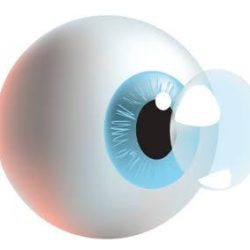
A primer on the use of these therapeutic lenses to serve and protect the corneas of our patients.
By Susan Gromacki, O.D., M.S., F.A.A.O.
The concept of a protective eye bandage originated in the first century A.D., when Celsus reportedly applied a honey-soaked linen to the site of a pterygium removal to prevent symblepharon development.1,2 Bandage soft contact lenses were first used in the 1970s following the development of hydroxyethyl methacrylate (HEMA) by Otto Wichterle.2 With the recent advances in material technology, today’s bandage contact lenses provide the same benefits as their predecessors—but with enhanced convenience, improved healing and increased corneal health.
Bandage Lens Basics By definition, a bandage contact lens protects the cornea. Many different lens types can be utilized to accomplish this goal (see tables 1 and 2); however, because of their high oxygen permeability and FDA approval for extended wear, silicone hydrogel soft contact lenses are currently most practitioners’ first choice.
Bandage lenses protect the cornea not only from potential exterior sources of injury, but also from a patient’s own eyelids. The shearing effect created by the lids during the blink can inhibit re-epithelialization and cause pain. Use of a bandage lens facilitates corneal healing in a pain-free environment.
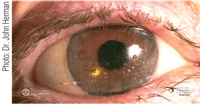
Depending on the patient’s ocular condition, he or she may wear their therapeutic lenses for a period of days to years. They may be utilized for daily or extended wear (see table 2). Because there is generally an underlying disease process precipitating the need for a therapeutic lens, extra caution must be taken to clean and disinfect the lens after wear, keeping in mind that silicone hydrogel lenses tend to deposit lipids more readily than HEMA lenses (see image 1). That said, the addition of a digital rubbing step is necessary for lenses that are used more than once.
It is critical to perform frequent follow-ups for bandage contact lens patients. One reason is that a bandage lens fit, by design, demonstrates less movement than a traditional soft lens fit. The theory is to provide increased patient comfort while preventing the healing epithelial cells from sloughing off due to any mechanical trauma of the lens itself.3 In addition, it is important for the practitioner to be vigilant regarding the detection of signs of microbial keratitis. The compromised cornea—especially when wearing lenses in an extended wear modality—is at particular risk for infection.4
Indications Bandage contact lenses are indicated for many different reasons, including: protecting the eyes, increasing comfort, facilitating healing and sealing wound leaks. We’ll explore these indications, and others, in more detail in the following paragraphs.
• Protection. Corneal protection is needed in the case of several conditions, including: entropion, trichiasis, tarsal scars, recurrent corneal erosion, post-surgical ptosis and surgical sutures or exposed suture knots.
Recurrent erosions are a typical sequella of epithelial basement membrane (basal lamina) trauma or are secondary to anterior basement membrane dystrophy, anterior basement membrane degeneration or stromal dystrophy. A bandage contact lens is the second line of treatment, after hyperosmotic drops and/or ointment fail.2,5 An added benefit is the enhanced vision provided by the smooth refracting surface of the contact lens, as opposed to an irregular anterior corneal surface.5 Hypertonic saline drops should continue to be utilized concurrently with the lenses.
• Pain relief. The mitigation of corneal pain is another important indication for therapeutic contact lenses. The conditions most in need of this therapy include bullous keratopathy; epithelial erosion and abrasion; filamentary keratitis; and postoperative penetrating keratoplasty.
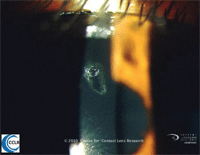
In bullous keratopathy, endothelial failure results in corneal edema, which in turn creates epithelial blisters that rupture, causing pain, foreign body sensation, and photophobia. A bandage contact lens reinforces the damaged tissues and protects the nerve endings from the abrasive actions of the eyelids. Patients who are awaiting a conjunctival flap or cornea transplant may be fitted with therapeutic lenses for up to 30 days at a time.2 Until recently, pressure patching was the standard of care for treating large epithelial abrasions (see figure 2). With this treatment, the caveat was to refrain from patching contact lens wearers or injuries caused by presumed vegetative matter or false fingernails. The utilization of a bandage contact lens provides protection and healing for all three of these conditions, and it has now supplanted patching as the standard of care. The authors of the Wills Eye Manual caution, however, that prophylactic topical antibiotics should be used concurrently and that daily follow-up care is mandatory.6
1. Therapeutic soft contact lens with 2+ surface coating.
The other advantage of bandage contact lenses over patching is the ability to continue to install topical ophthalmic medications. This is particularly important after a corneal abrasion, erosion, or corneal refractive surgery, which necessitate the frequent installation of antibiotics and/or artificial tears. Some reports caution against the installation of cycloplegic agents (which reduce the pain associated with a corneal abrasion/erosion or after corneal refractive surgery) in bandage CL wearers. The dilating drops can cause the bandage lenses to dry out and become less comfortable, especially overnight, with the end result a potentially decreased healing response.7 On the other hand, bandage contact lenses can be utilized—by design—as vehicles for drug delivery, but the exact way to ensure a consistent dosage is still under investigation.
• Healing. The use of bandage contact lenses to facilitate healing is particularly necessary for the following conditions: chronic epithelial defects, corneal ulcer, neurotrophic keratitis, neuroparalytic keratitis, chemical burns and basement membrane disease.
They also enhance healing following corneal surgery, particularly refractive surgery. They protect the cornea from exposure or from the irritation caused by rubbing the eye as the corneal wounds are healing. Therapeutic bandage contact lenses are a mainstay after photorefractive keratectomy (PRK) procedures, in which the removal of the epithelium leaves an open wound that takes about one week to heal (see figure 3). They are also valuable for the following procedures: laser-assisted in situ keratomileusis (LASIK), laser-assisted subepithelial keratomileusis (LASEK), Epi-LASIK, penetrating keratoplasty (PK) and phototherapeutic keratectomy (PTK), lamellar grafts and corneal flaps.
2. The use of therapeutic contact lenses has replaced pressure patching as the standard of care for epithelial abrasions such as the one in the image above.
• Sealing. The lenses also may aid in sealing leaky wounds. Serving as a splint or sealant, the lenses can be beneficial after cataract, penetrating keratoplasty or glaucoma filtering surgery.
• Maintenance of corneal hydration. The role of bandage contact lenses in dry eye is controversial. For patients who need to continually instill lubricating drops into their eyes, particularly after refractive surgery, the benefits of using a bandage lens can be great. Other patients who benefit are those who have significant lagophthalmos and subsequent corneal exposure. However, contact lenses are generally contraindicated for dry eye.7
• Structural stability and protection in piggyback lens fitting. Many patients benefit from the utilization of a soft and rigid lens concurrently. The rigid lens provides crisp vision, particularly for irregular corneas, and the soft bandage lens protects the cornea, preventing irritation and abrasions. Examples include elevation differences in the host/graft junction, keratoconus and in the presence of scar tissue.
Contraindications
3. The cornea, one day following PRK.
Each clinician must assess his patient’s condition carefully to determine whether a bandage contact lens is warranted. Interestingly, many of the conditions that require bandage contact lenses (dry eye, infection, inflammation, etc.) contraindicate lens wear in general. In addition, therapeutic contact lenses should not be used in patients who are unwilling or unable to comply with the necessary treatment and follow-up.
Dr. Gromacki is a diplomate in the Cornea, Contact Lens and Refractive Technologies Section of the American Academy of Optometry. She is Chief Research Optometrist at Keller Army Community Hospital, West Point, New York.
1. Arrington GE. A history of ophthalmology. MD Publishers, New York, New York, 1959. 2. Weiner BM. Therapeutic bandage lenses. In: Silbert JA, ed. Anterior Segment Complications of Contact Lens Wear. Churchill Livingstone, New York, New York, 1994; 455-471. 3. Aquavella JV. Chronic corneal edema. Am J Ophthalmol 1973;(76):201-207. 4. Thoft RA, Mobilia EF. Complications with therapeutic extended wear soft contact lenses. Int Ophthalmol Clin. 1981;(21):197. 5. Chan WE, Weissman BA. Therapeutic contact lenses. In: Bennett ES, Weismann BA, (eds). Clinical Contact Lens Practice, Lippincott Williams & Wilkins: New York, New York, 2005: 619-628. 6. Ehlers JP and Shah CP, eds. The Wills Eye Manual Fifth Edition, Wolters Kluwer Health, New York, New York, 2008:15-16. 7. Russell GE. Bandage lenses: new opportunities in practice. Contact Lens Spectrum. 2004(6). 8. Tyler Thompson TT. Tyler’s Quarterly 2011;28(3):32-52. 9. White P. 2011 Contact Lenses and Solutions Summary. In: Contact Lens Spectrum (suppl) 2011;27(7):14.



 As part of your healthy diet, choose foods rich in antioxidants, like Vitamins A and C; foods like leafy, green vegetables and fish. Many foods – especially fatty fish, such as salmon – contain essential omega-3 fatty acids that are important to the health of the macula, the part of the eye responsible for central vision.

:max_bytes(150000):strip_icc():format(webp)/vision-and-headache-3422017_final-f90b31917b244236a7424b143a537fd3.jpg)